The podcast where curious kids get answers to questions that even parents don't know!
Curious about the world? The Curious Kidcast is the ultimate podcast for kids who love asking big questions! Whether it's about space, nature, history, animals, or everyday science, we provide fun and easy-to-understand explanations for young minds.
Each episode explores amazing science facts, weird but true stories, and fascinating discoveries that spark curiosity and creativity. Our engaging podcast is perfect for kids aged 6-12 who love learning and exploring new topics.
Parents, this is the perfect way to get your kids excited about STEM, critical thinking, and lifelong learning. Listen together during car rides, bedtime, or school projects!
Subscribe now and start your learning adventure with The Curious Kidcast – where every question leads to an exciting discovery!
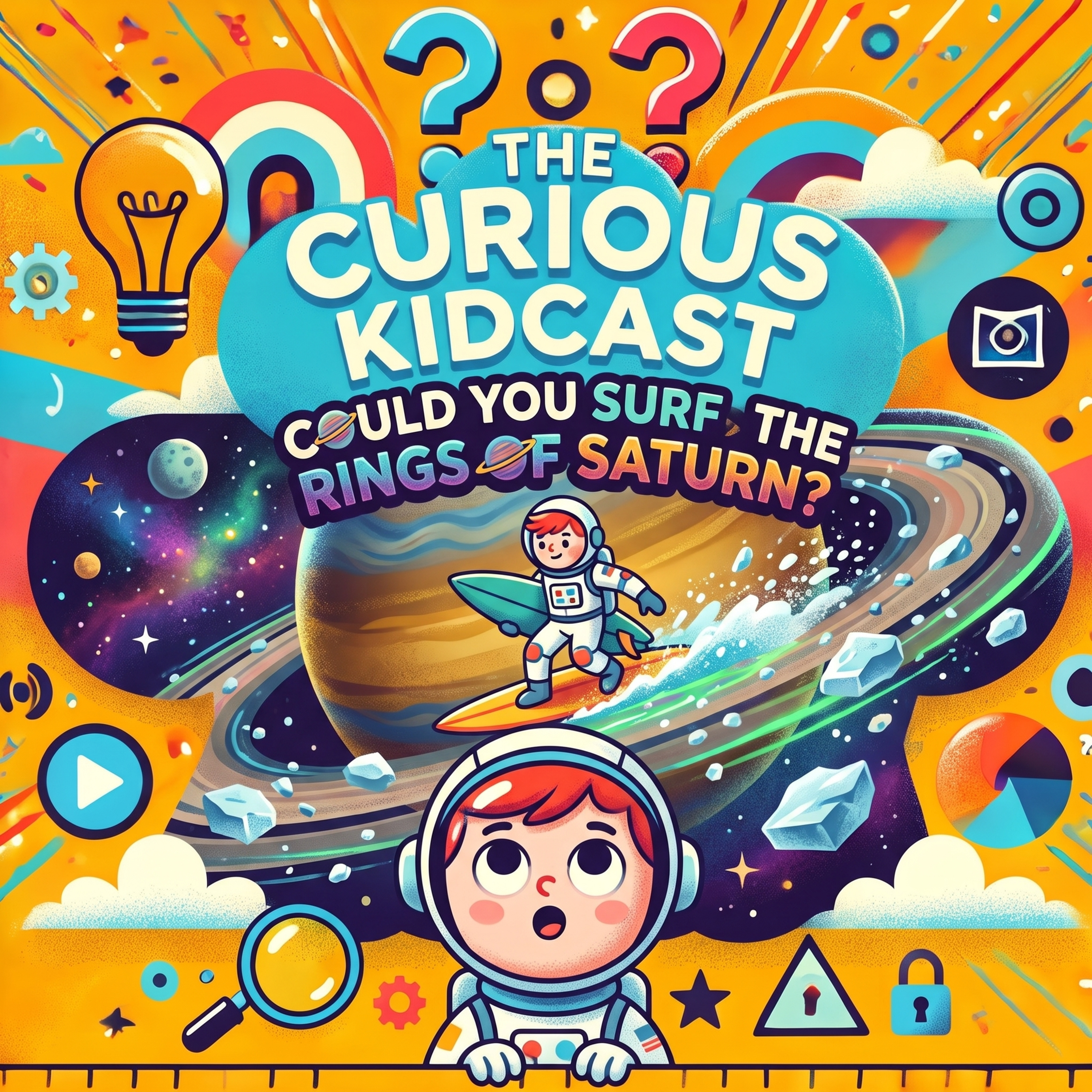
Grab your neon-orange spacesuit and rocket-powered surfboard! In this week's thrilling, out-of-this-world episode of The Curious Kidcast, Charlie answers an amazing question from a listener: Could...
Full Episode & NotesGrab your neon-orange spacesuit and rocket-powered surfboard! In this week's thrilling, out-of-this-world episode of The Curious Kidcast, Charlie answers an amazing question from a listener: Could you surf on the rings of Saturn?
Join us as we blast off into the solar system to learn the fun facts about what Saturn's rings are actually made of. We'll discover the extreme speeds of space ice, the freezing temperatures of the cosmic blender, and the incredible two-mile-high "gravity waves" created by tiny shepherd moons. It's the perfect mix of extreme sports imagination and real-world astronomy to help your family learn and laugh together!
Homeschooling & Parenting Tip:
This episode is fantastic for unit studies on the solar system, gravity, and states of matter. It’s a great, screen-free way for
kids
to engage with high-level physics concepts while having
fun
Stick around for the interactive 3-question quiz at the end to test listening comprehension.
What Kids Will Learn in This Episode
Family & Homeschool Discussion Questions
Hands-On Extension Activity: The Ice Collision Experiment
Try this at home: Place several ice cubes in a large bowl of water. Swirl the water rapidly in a circle using a spoon to simulate Saturn's orbit. Watch how the ice chunks crash, bump, and group together. This is exactly what the rocky ice debris does in Saturn's rings—just at a much faster speed and without the liquid water! A perfect visual science activity for nature and space lovers.
Connect & Subscribe
Do your kids have a curious question of their own? Send it to Charlie at curiouskidcast.com.
Follow and subscribe on Apple Podcasts, Spotify, or your favorite family podcast app so you never miss an adventure!
The Curious Kidcast. Tagged under: Science, Kids, Parenting, Homeschooling, Nature, Learn, Facts, Fun, Family.
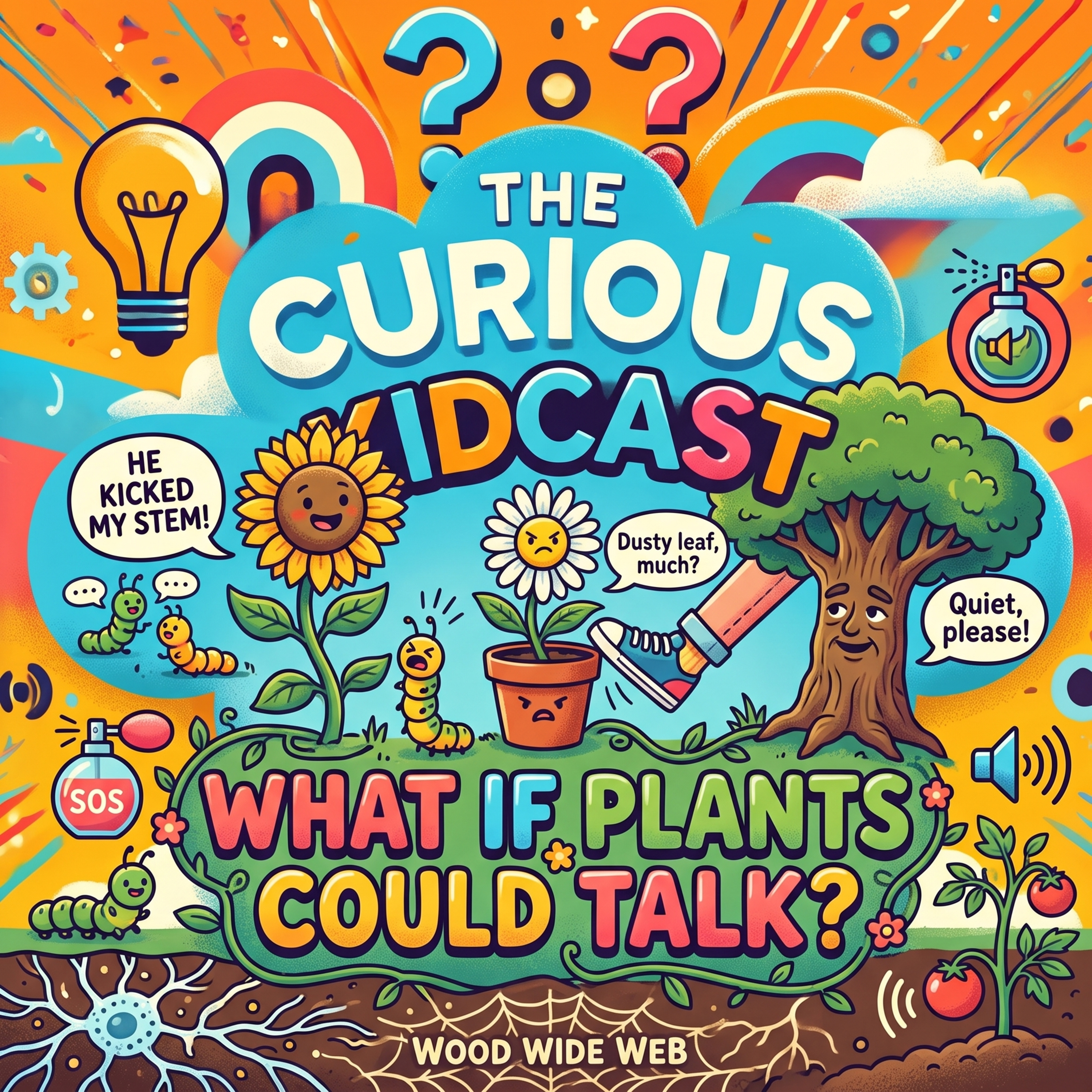
Ever wondered what your houseplant would say if it caught you kicking your laundry under the bed? In this laugh-out-loud, brain-stretching episode of The Curious Kidcast, Charlie tackles a curious que...
Full Episode & NotesEver wondered what your houseplant would say if it caught you kicking your laundry under the bed? In this laugh-out-loud, brain-stretching episode of The Curious Kidcast, Charlie tackles a curious question sent in by a listener: What if plants could talk?
We explore the comedic chaos of dramatic peace lilies, grumpy cacti, and terrified suburban lawns facing the weekend mower. Then, we uncover the mind-boggling real science: plants already do talk! From airborne chemical distress flares (Volatile Organic Compounds) to the underground fungal internet known as the Wood Wide Web, kids and parents will learn how nature communicates right beneath our feet.
Homeschooling & Family Listening Tip:
Perfect for morning basket listening, school runs, or unit studies on botany, ecosystems, and plant biology. Includes an interactive 3-question trivia challenge at the end!
What Kids Will Learn in This Episode
Family & Homeschool Discussion Questions
Hands-On Extension Activity: The Scent Trail Experiment
Try this at home or in class: Crush a mint leaf or a blade of grass between your fingers. Take a deep breath. That burst of fresh fragrance is the plant releasing volatile organic compounds! Have students research which local garden plants use scents to attract helpful insects like ladybirds or honeybees.
Connect & Subscribe
Have a curious question of your own? Send it to Charlie at curiouskidcast.com.
Follow and subscribe on Apple Podcasts, Spotify, or your favourite family podcast app so you never miss an adventure into the weird world of science!
The Curious Kidcast. Tagged under: Kids Science, Parenting Resources, Homeschool Science Curriculum, Fun Facts, Nature Learning, Family Podcasts.
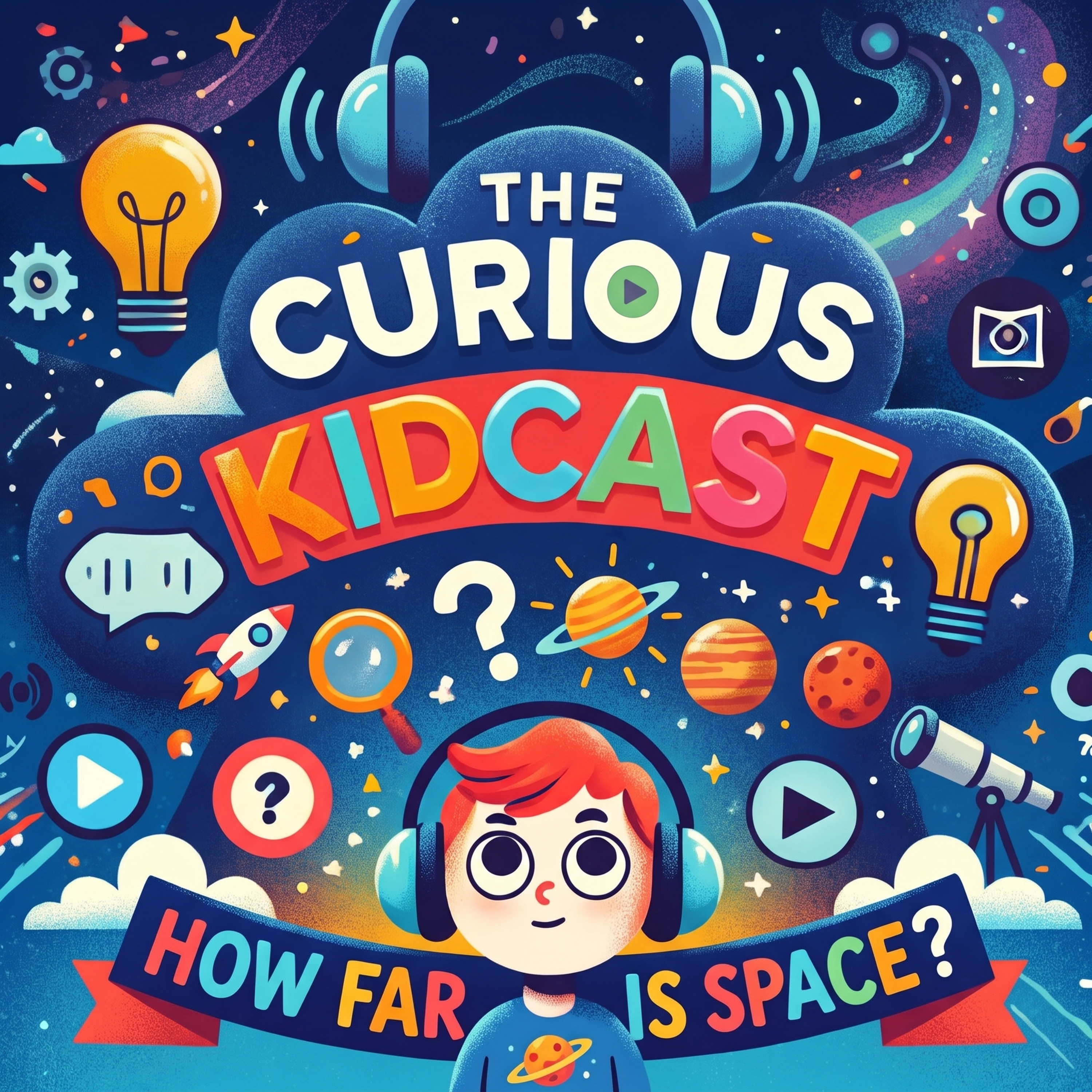
If you tipped your family car backward and drove straight up, how long would it take to reach outer space? Host Charlie investigates a listener question to find out where Earth ends, where space begi...
Full Episode & NotesIf you tipped your family car backward and drove straight up, how long would it take to reach outer space? Host Charlie investigates a listener question to find out where Earth ends, where space begins, and why the universe is so mind-bogglingly huge. Perfect for curious kids, family listening, and homeschool STEM units!
What You'll Learn in This Episode
Homeschool & Classroom Discussion Prompts
Connect & Submit Questions
Got a burning science question that makes your brain itch? Visit us at curiouskidcast.com to send it in, explore more episodes, and grab extra learning resources.
Don't forget to follow, share with a friend, and leave a review to help more families discover the fun of everyday science!
Topics & Keywords
Keywords: science for kids, homeschool science curriculum, parenting podcast, family road trip audio, STEM education, outer space facts, fun facts for children, nature and astronomy, learn about planets, educational podcasts for elementary students.
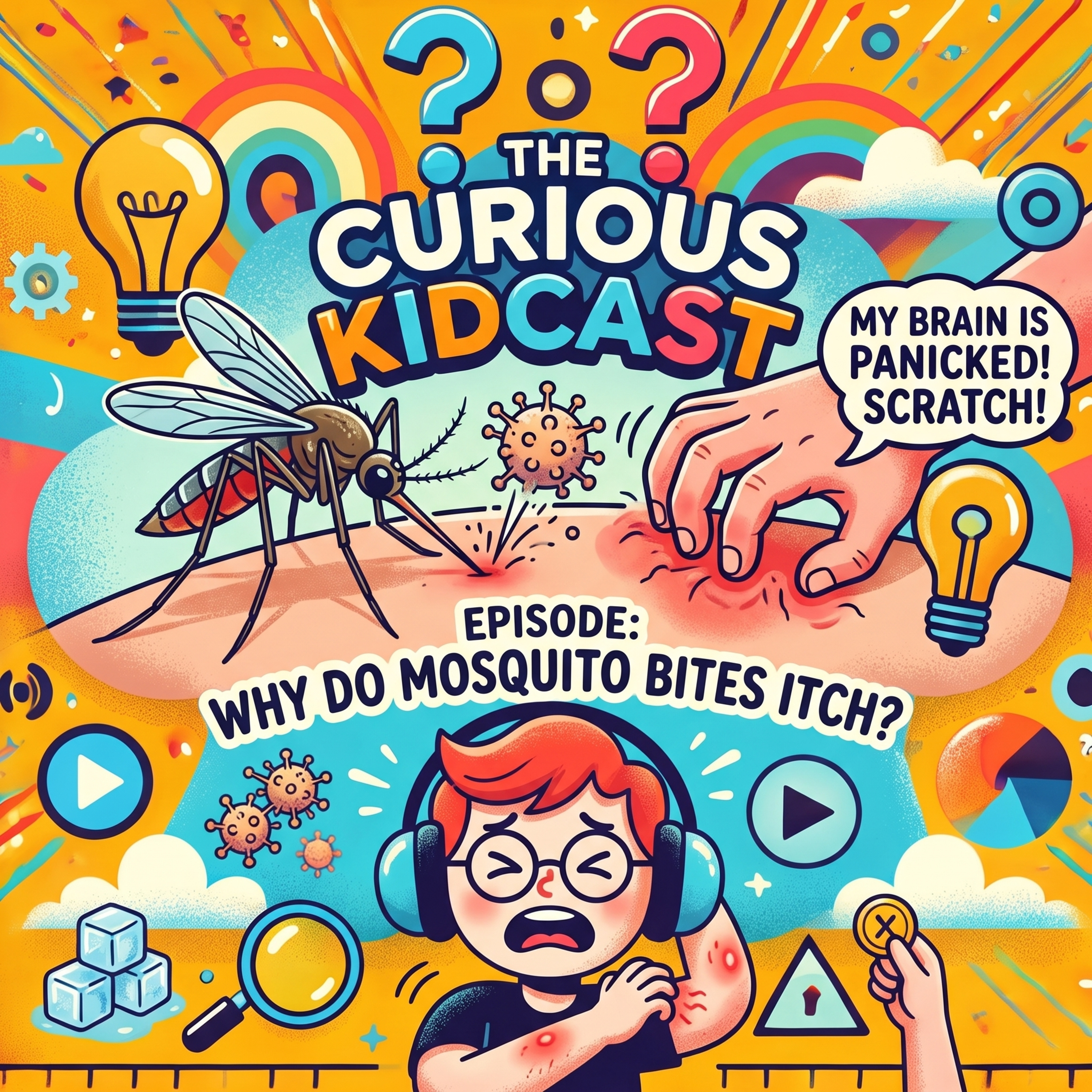
Ever wondered why a tiny mosquito bite makes you want to scratch your skin clean off? In this hilarious and fact-packed episode of The Curious Kidcast, Charlie dives into one of nature's biggest m...
Full Episode & NotesEver wondered why a tiny mosquito bite makes you want to scratch your skin clean off? In this hilarious and fact-packed episode of The Curious Kidcast, Charlie dives into one of nature's biggest mysteries to uncover the surprising science behind the itch!
Here is a hint: it is not the bite itself that is causing all that trouble. From microscopic saw blades and sneaky bug drool to our own body's dramatic alarm system, kids and curious minds of all ages will learn what really happens under your skin when a mosquito strikes.
What you will discover in this episode:
Whether you are listening in the car with family, learning at home for a science homeschooling unit, or just looking for a fun podcast for kids, this episode is packed with fascinating facts about biology, nature, and the human body.
Do you love exploring curious kids questions? Head over to curiouskidcast.com to submit your own brain-busting topics, share this episode with a friend, and hit subscribe so you never miss another adventure with kids curiosity podcasts!
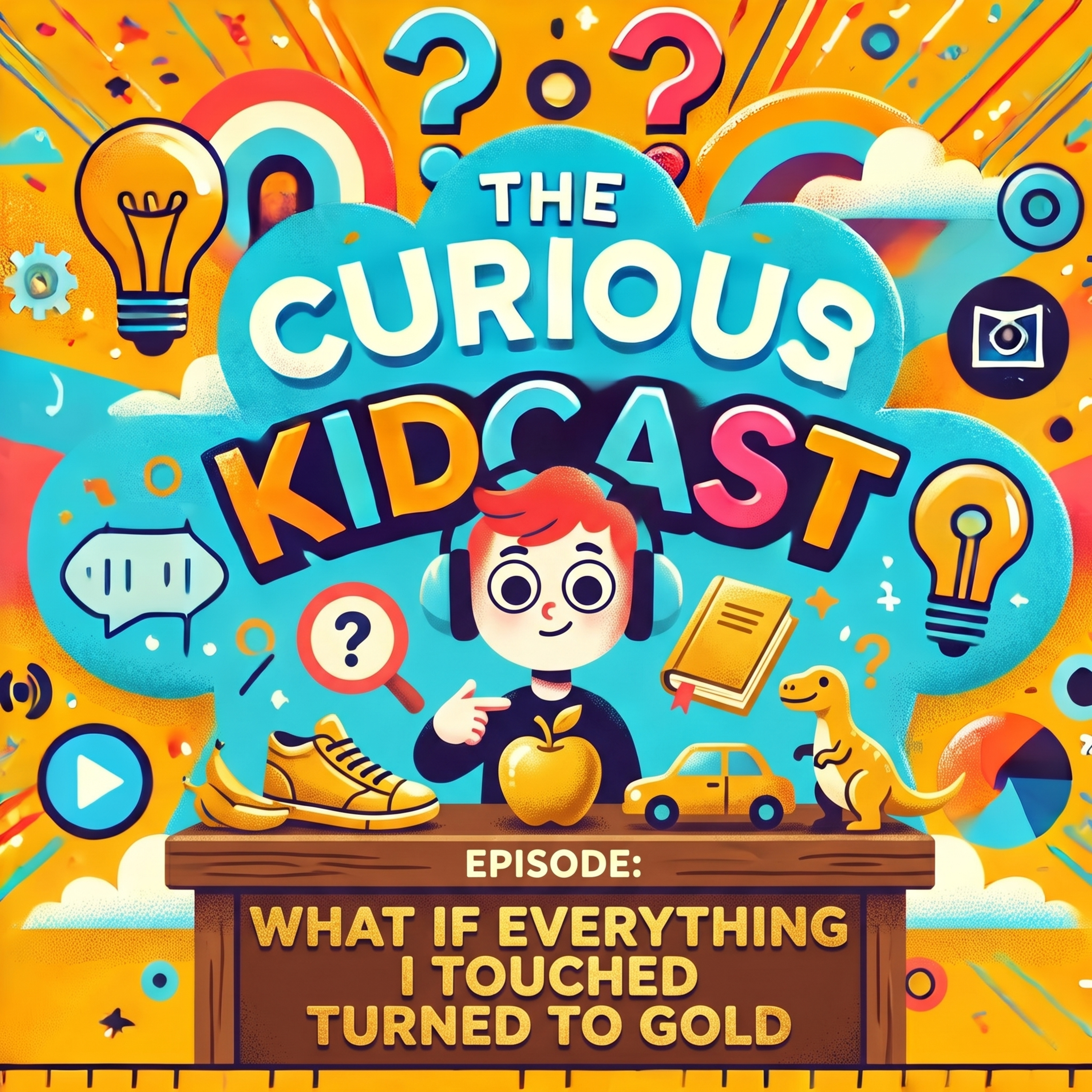
In this exciting audio adventure, we dive deep into one of the most fascinating and wildly imaginative curious kids questions we have ever explored on the show: What would actually happen if you woke ...
Full Episode & NotesIn this exciting audio adventure, we dive deep into one of the most fascinating and wildly imaginative curious kids questions we have ever explored on the show: What would actually happen if you woke up tomorrow and every single thing your fingers touched instantly turned into pure, solid, shiny gold?
At first, having the golden touch sounds like the absolute best superpower in the entire world. You would be a walking, talking treasure factory! You could turn a boring rock into a priceless artifact. But our host Charlie is here to take you on a hilarious, scientific, and slightly disastrous journey to discover why having the Midas touch might actually be the worst superpower ever. From the moment you wake up in your bed to the second you try to put on your clothes, eat your breakfast, and play outside in nature, we explore the wildly funny consequences of turning our soft, squishy world into solid metal.
Have you ever wondered what it would be like to try and wipe your bottom with solid gold toilet paper? Or what would happen if you tried to pet your bouncy, happy puppy with magical glowing hands? We cover all of the hilariously terrible consequences! You will quickly realize that taking a simple walk downstairs while wearing fifty-pound golden socks is a workout nobody wants to do, and that trying to drink water that turns into heavy metal marbles is a recipe for a very thirsty afternoon. It is the perfect blend of fun and facts for the whole family to enjoy together.
Science, Facts, and Fun for the Whole Family
This episode is packed with awesome science, educational facts, and belly laughs! We do not just imagine the silly scenarios; we dive right into the real, factual science behind the element of gold. Perfect for homeschooling families, dedicated teachers, or just a fun family road trip, this episode seamlessly blends education with top-tier entertainment. We use the engaging premise of a superpower to teach fundamental physics and chemistry concepts in a way that kids can easily grasp, remember, and excitedly share with their friends.
The Ultimate Kids Curiosity Podcast for Learning
If you are looking for a kids curiosity podcast that actively encourages children to ask big questions, learn about the amazing world around them, and laugh out loud, you are in the perfect place! The Curious Kidcast is completely dedicated to sparking vivid imagination and building a lifelong love for learning. We strongly believe that to truly learn, education should always be an exciting adventure, filled with weird hypotheticals, funny jokes, and mind-blowing facts that make you say, "Wow!"
At the end of the episode, do not forget to stick around for the Curious Kidcast Quiz!
Send Us Your Curious Kids Questions Today!
Do you have a wild, weird, or wonderful question you want Charlie to answer on the show? We absolutely love hearing from our amazing listeners from all around the world! Whether your curiosity is about deep outer space, strange creatures in nature, wacky superpowers, or the fundamental laws of physics, we want to hear it all. Head over to our website at curiouskidcast.com and send us a message. Your awesome question might just be the star of our next big episode!
Subscribe and Share the Fun: If your family enjoyed exploring the science of the golden touch, please subscribe to our fun podcast for kids on Spotify, Apple Podcasts, or wherever you love to listen to your favorite shows. Share this episode with friends, classmates, and fellow homeschooling families who love to learn about science, nature, facts, and the amazing world around us. Keep asking great questions, always stay curious, and remember: true wealth isn't a giant mountain of heavy gold, it is the beautiful, messy, squishy, and wonderful world we live in!
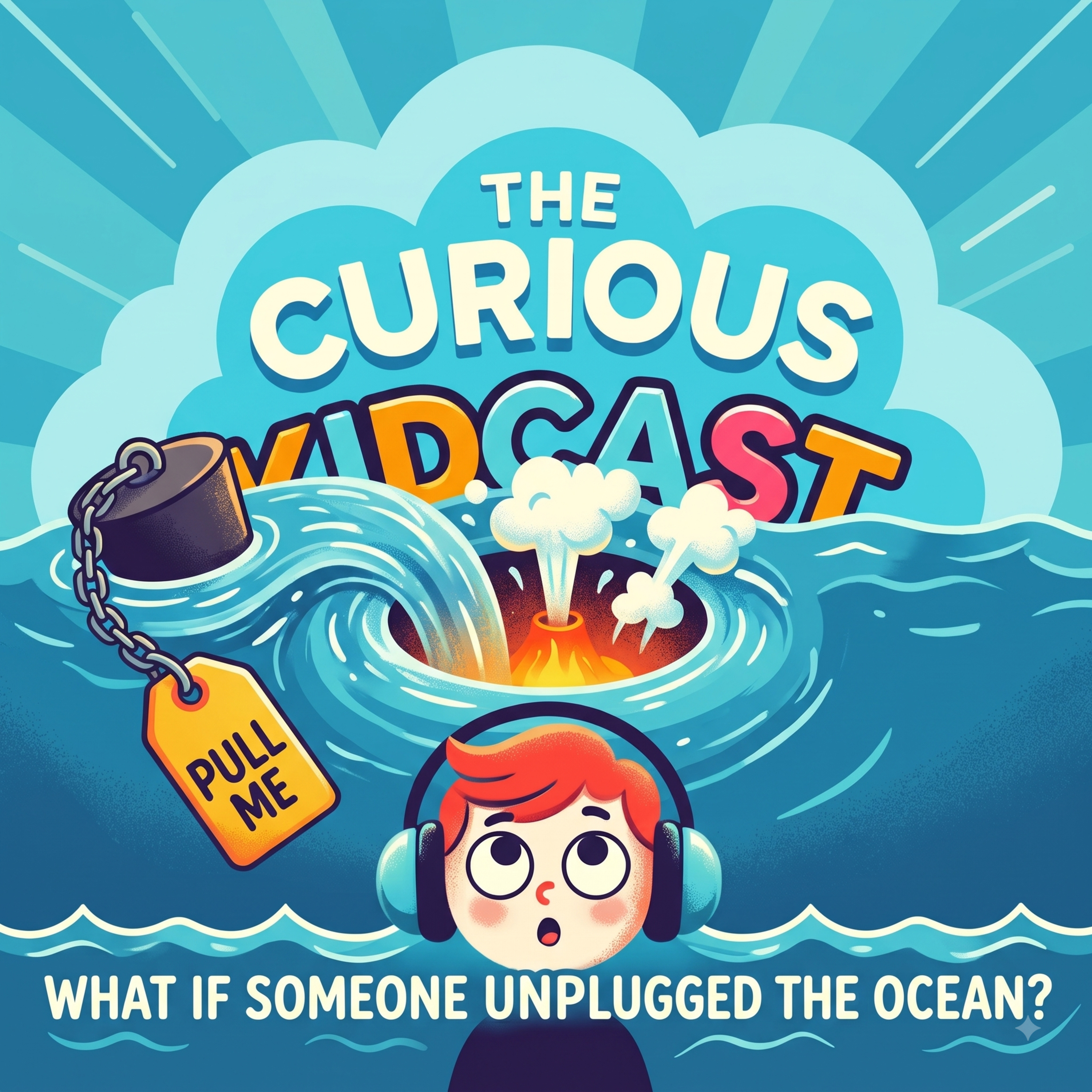
Ever wondered what would happen if someone pulled a giant rubber plug at the very bottom of the sea? Would all the ocean water drain away like an enormous bathtub, or would something even wilder happe...
Full Episode & NotesEver wondered what would happen if someone pulled a giant rubber plug at the very bottom of the sea? Would all the ocean water drain away like an enormous bathtub, or would something even wilder happen? In this episode of The Curious Kidcast, host Charlie takes us seven miles down into the deep, dark Mariana Trench to explore one of the most exciting science thought experiments ever!
Packed with mind-blowing facts, funny scenarios, and amazing discoveries about our planet, this episode is a fantastic listen for curious kids, homeschooling lessons, road trips, and family learning time.
Here is what you will discover in this episode:
Why Families Love The Curious Kidcast:
Our show turns big science, nature, and engineering concepts into fun, easy-to-understand audio adventures. If you are searching for a fun podcast for kids that answers real kids curiosity questions and fuels a passion to learn, you have come to the right place!
Join the Curiosity Club:
If you enjoyed this episode, please share it with a friend, leave us a rating, and hit that subscribe button on Spotify, Apple Podcasts, or wherever you listen!
Got a wacky, wild, or weird question you want answered on the show? Head over to curiouskidcast.com and send your topic directly to Charlie!
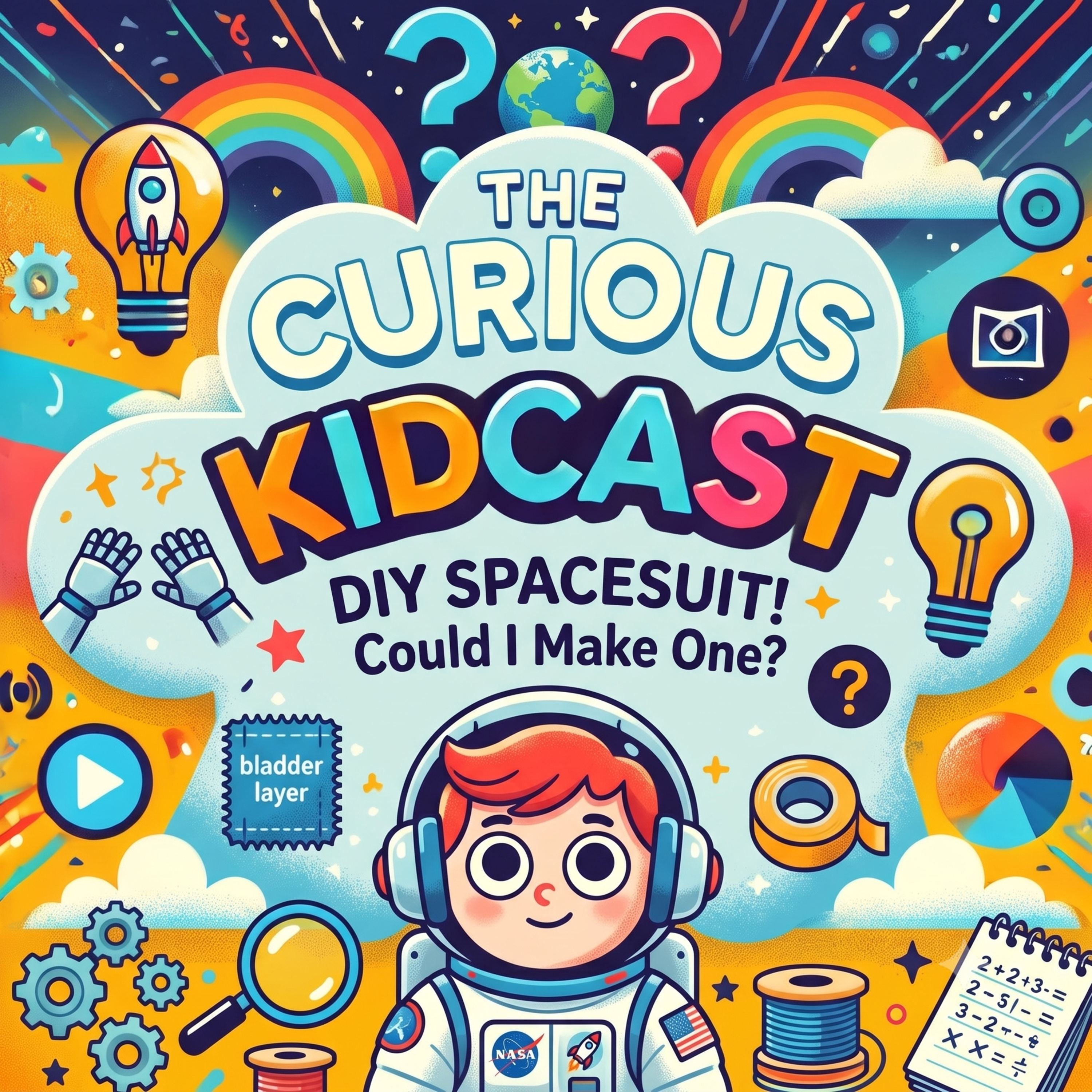
Ever wondered if you could build a real working spacesuit out of kitchen foil, garbage bags, and duct tape? In this episode of The Curious Kidcast, host Charlie answers a brilliant question from a lis...
Full Episode & NotesEver wondered if you could build a real working spacesuit out of kitchen foil, garbage bags, and duct tape? In this episode of The Curious Kidcast, host Charlie answers a brilliant question from a listener who wanted to know if he could wrap himself in a tin foil roasting tray to walk on Mars!
Join us on an action-packed cosmic adventure as we explore the terrifying dangers of outer space, break down the 14 high-tech layers of a real $12 million NASA spacesuit, and test household items to see if they can survive the ultimate vacuum environment. Perfect for curious kids, homeschooling families, and young scientists who love mind-blowing space facts!
Episode Highlights & What You'll Learn
Fun Space Facts From This Episode
Did You Know? Astronaut helmets are coated in a microscopic layer of real 24-karat gold to act as the ultimate solar sunglasses!
Did You Know? Space dust travels at 17,500 miles per hour. Without bulletproof suit armor, a tiny pebble smaller than a grain of sand would zip right through denim like a hot needle through butter!
About The Curious Kidcast
The Curious Kidcast is the ultimate educational podcast for kids aged 7-11, parents, and homeschoolers. Hosted by Charlie, we explore the wild, weird, and wonderful science of our world (and beyond!). Whether you're listening on the school run, during a family road trip, or as part of your science curriculum, we make learning fun, engaging, and packed with humor.
Got a Wacky Question for Charlie?
Do your kids have a big question about science, nature, history, or the universe? We'd love to feature them on the show! Visit our website to send in your question:
Don't forget to share, rate, and subscribe on Apple Podcasts, Spotify, or your favorite podcast app so you never miss a fun episode!
What did kids play with before the invention of video games, plastic building bricks, or electric gadgets? In this episode of The Curious Kidcast, host Charlie takes us on an epic time-travel adventur...
Full Episode & NotesWhat did kids play with before the invention of video games, plastic building bricks, or electric gadgets? In this episode of The Curious Kidcast, host Charlie takes us on an epic time-travel adventure back to the Ice Age, Ancient Egypt, and Ancient Greece to find the ultimate winner of the world's first-ever toy. Perfect for curious kids, parents looking for screen-free educational ideas, and homeschooling families exploring history through the science of play!
Interactive Family Pop Quiz!
Parents and homeschoolers, test your family's memory after listening to the episode
Connect With The Curious Kidcast Community!
Did your family love learning about the unexpected history of toys? We want to hear from you! Our show grows entirely through community support from passionate parents, enthusiastic homeschoolers, and brilliant kids just like you.
Tags: #ScienceForKids #KidsPodcast #ParentingTips #HomeschoolCurriculum #NaturePlay #EducationalFacts #FamilyFunTime #LearnThroughPlay #TheCuriousKidcast
Have you ever watched the water drain after a messy bath and wondered why it suddenly turns into a roaring miniature tornado? In this action-packed episode of The Curious Kidcast, we are diving deep i...
Full Episode & NotesHave you ever watched the water drain after a messy bath and wondered why it suddenly turns into a roaring miniature tornado? In this action-packed episode of The Curious Kidcast, we are diving deep into bathroom fluid physics to solve one of the greatest household science mysteries ever! This is the ultimate fun podcast for kids, families, and homeschooling parents who love exploring science, nature, and the wacky secrets of our universe. Whether you are listening during a family road trip or using this as part of your interactive science curriculum, this episode is guaranteed to spark your child's imagination and feed their natural curiosity.
We take complex, mind-boggling scientific principles and break them down into hilarious, easy-to-understand concepts. Our goal is to answer real curious kids questions in a way that makes learning feel like a total blast. In this episode, your host, Charlie, investigates the hidden forces that turn an ordinary tub of soapy water into a swirling vortex of doom. We explore everything from the microscopic movements of water molecules to the massive cosmic laws that govern the entire universe.
What We Learn in This Episode:
Deep Dive Science Concepts Covered
This episode is more than just entertainment; it is an immersive learning experience designed to help kids learn facts about fluid dynamics. We introduce fundamental physics vocabulary in a casual, highly relatable tone.
Perfect for Homeschooling and Family Discussion
If you are looking for engaging science content for homeschooling, this episode serves as an excellent companion lesson plan for physics, weather, or earth science modules.
About Kids Curiosity Podcasts
The Curious Kidcast is built on the belief that children are natural-born scientists. Every week, we take real questions submitted by our young listeners and explore the answers through rigorous science, engaging storytelling, and plenty of laughs. We believe that combining fun and family entertainment with genuine educational value creates the absolute best learning environment for growing minds.
Does your child have a mountain of burning questions about science, space, animals, history, or how things work? We want to hear them! Head over to our official website at curiouskidcast.com to submit their questions directly to the show. Your child's question might just inspire our next big episode!
If you enjoyed this episode, please help our independent educational show grow by sharing it with another family, leaving a five-star review, and clicking that subscribe button right here on Spotify. Thank you for listening, and keep staying curious!
Subscribe to The Curious Kidcast on your favorite platform
We release a new episode every week, usually on Wednesday mornings!
The Curious Kidcast is designed for children aged 7-11, but curious minds of all ages will enjoy our content!
Absolutely! We love hearing from our listeners. Use the contact form below to send us your curious questions!
Episodes typically run between 10-15 minutes - the perfect length for curious young minds!